
"large coffee bean"
30000 article(s) found

A brief introduction to the treatment method of grinding degree and baking degree of spicy and unrestrained Kenyan boutique coffee beans
Large coffee processing farms in Kenya usually have independent processing facilities. A large number of small farmers usually pick ripe coffee fruits by hand. Coffee picking is a labor-intensive job that requires the whole family to deploy and even hire workers during the harvest season. The fresh fruits of the picked coffee need to be promptly transported to the cooperative-owned coffee processing plant for pulping and transportation.
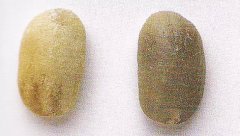
Selection methods and matters needing attention of raw coffee beans
The taste of raw beans and fruits before selection will not vary according to their size. What about coffee beans? Coffee beans harvested from the same tree, regardless of size

What are the types of coffee trees that should be grown?
The main species of coffee tree: Liberian species Liberian species or large seed species, native to Liberia in Africa, and Malaysia and a few other countries. It has a slightly shorter history than the other two coffee trees. The Liberian coffee tree is suitable for lowland cultivation. It has a tall and strong trunk, which is 18 meters high, large and tough leaves, and large fruits and coffee beans. Its seed coat clings to the kernel,

Flavor and taste of coffee manor in Kenya Berman Manor Ethiopia
Kenya is bordered to the north by Ethiopia, the origin of Arabica coffee trees, but it was not until the beginning of the 20th century that coffee cultivation began. In the 19th century, missionaries introduced Arabica trees from the leaves, but did not plant them in large quantities. It was not until 1893 that coffee was cultivated on a large scale because of the introduction of Brazil's ancient bourbon seeds. That is to say, Kenyan coffee is of Brazilian origin, because of water.

A brief introduction to the cultivation of high-quality coffee beans in Kenya with rich taste, geographical location, climate and altitude
In addition to the prestigious traditional Arabica coffee, robusta coffee is also produced in the western lowlands of Kenya. Kenya coffee harvest season there are two harvest seasons in Kenya, the main harvest season is from October to December and the secondary harvest season is from May to July. Large coffee processing farms in Kenya usually have independent processing facilities. A large number of small farmers usually pick them by hand.

Coffee varieties Large collection 22 kinds of fine coffee beans
Blue Mountain Coffee: sour, sweet, bitter are very harmonious and have excellent flavor and aroma, suitable for single coffee, should be moderately baked. Cuban Coffee: Cuba's famous Cubita Crystal Mountain is represented by the principle of making perfect coffee. Crystal Mountain and Jamaica's Blue Mountains adjacent geographical location, similar climatic conditions, comparable to Jamaica Blue Mountain Coffee. later

A brief introduction to the history and culture of the origin and development of Kenyan boutique coffee beans with rich taste
Kenya coffee harvest season there are two harvest seasons in Kenya, the main harvest season is from October to December and the secondary harvest season is from May to July. Large coffee processing farms in Kenya usually have independent processing facilities. A large number of small farmers usually pick ripe coffee fruits by hand. Coffee picking is a labor-intensive job, which requires the whole family to go out or even return during the harvest season.

Grinding scale taste and flavor description of Pacamara coffee beans introduction to the characteristics of the manor area
The grinding scale taste and flavor of Pacamara coffee beans describe the characteristics of the manor production area. Pacamara beans are too large and often get stuck in the holes or gaps of the machine during peeling and separation in the treatment plant, so the machine must be adjusted from time to time to deal with separately. Due to the limited initial output of Pacamara and the rare fruits of large seeds in the country, most washing plants lack experience in dealing with large coffee fruits.
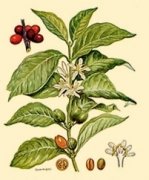
A brief introduction to the basic knowledge of Coffee beans
There are about 60 species of coffee in the world, of which only 25 species are cultivated to make coffee, of which only 4 species are used as commercial coffee: large fruit coffee (Coffea liberica), medium fruit coffee (Coffea canephora), small fruit coffee (Coffea arabica) and high yield coffee (Coffea dewevrei). These are botanical names. Coffee in the world at present

Introduction of Kenyan coffee beans
Kenya is bordered to the north by Ethiopia, the origin of Arabica coffee trees, but it was not until the beginning of the 20th century that coffee cultivation began. In the 19th century, missionaries introduced Arabica trees from the leaves, but did not plant them in large quantities. It was not until 1893 that coffee was cultivated on a large scale because of the introduction of Brazil's ancient bourbon seeds. That is to say, Kenyan coffee is of Brazilian origin, because of water.

What is the difference between Yunnan coffee and Brazilian coffee? Analysis on the initial processing stage of Coffee in Yunnan
Professional coffee knowledge exchange more coffee bean information please follow the coffee workshop (Wechat official account cafe_style) this article from the coffee primary processing process of fresh fruit picking, fresh fruit grading, peeling, degumming, drying, cleaning points


Introduction of Indonesian Mantenin coffee beans with large granules and hard beans
The most famous coffee producers in Asia are the islands of Malaysia: Sumatra, Java and Kaliman. Sumatra manning coffee from the Indonesian island of Sumatra is the most famous, it has two famous names, Sumatra mantenin DP first class and collection Sumatra mantenin. Sumatra Mantenin DP has a long aftertaste, with a wild fragrance.
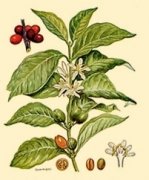
Basic knowledge of boutique coffee knowledge of fine coffee beans
There are about 60 species of coffee in the world, of which only 25 species are cultivated to make coffee, of which only 4 species are used as commercial coffee: large fruit coffee (Coffea liberica), medium fruit coffee (Coffea canephora), small fruit coffee (Coffea arabica) and high yield coffee (Coffea dewevrei). These are botanical names. Coffee in the world at present

Uganda Coffee beans are expected to be exported to China in large quantities.
Uganda's coffee exports in June 2021 were 618388 bags of 60 kg bags worth US $58.56 million, the highest in a single month since 1991. This includes 565449 bags of robusta coffee valued at $50.25 million and 52939 bags of Arabica coffee valued at $8.31 million, according to UCDA's monthly report in June 2021. In the same month as last year
Royal Coffee Raw Bean Archives| Roasters, buyers and producers
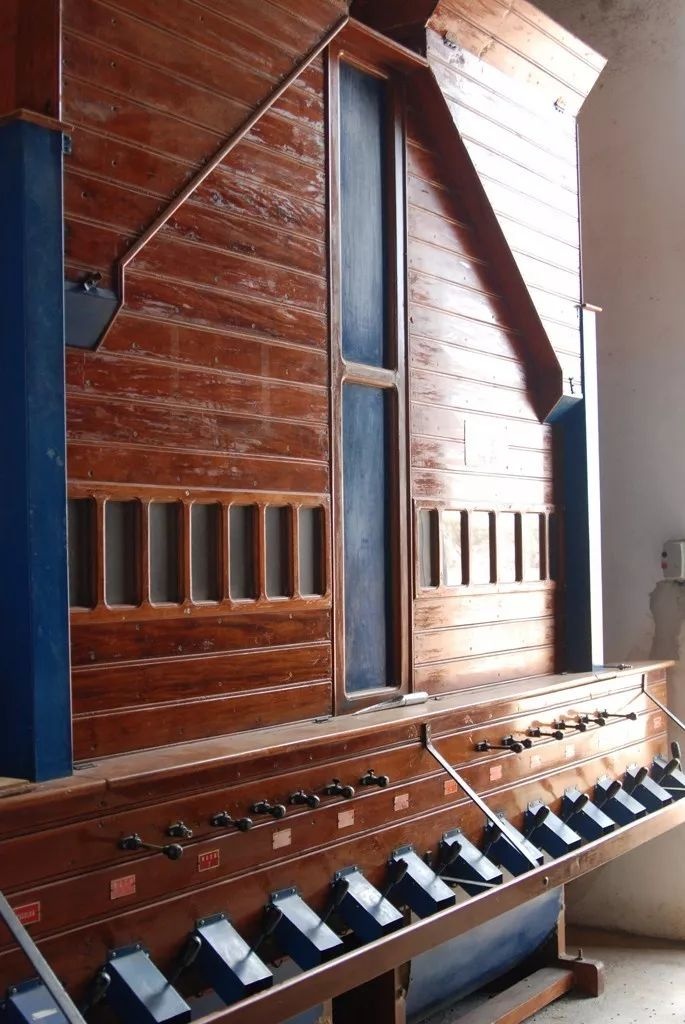
The final step in the coffee drying plant is the final sorting of the green coffee beans according to the mesh size and then bagging for export. The machine for sorting coffee mesh is very large and divided into several layers, each of which is slightly inclined downward. When coffee enters the machine, the machine starts to vibrate, and the green coffee beans of different sizes are sifted out by gravity. the workers are

How do coffee beans grow?-Why do coffee beans roast plants?
How do coffee beans grow? why do coffee beans roast plants? Liberian species, or large seed species, are native to Liberia in Africa, as well as a few countries such as Malaysia. Its cultivation history is slightly shorter than the other two coffee trees. Liberian coffee trees are suitable for growing in lowlands. Its trunk is high and strong, it is 18 meters high, its leaves are large and tough, and its fruits and coffee beans are also very large.
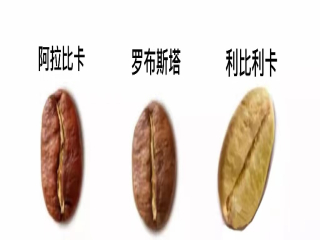
Liberica coffee beans introduce in detail the three major coffee varieties, libilica large-grained coffee, why no one grows it.
We have three common native species of coffee, namely, Arabica, Robusta, and Liberika. Coffee trees are evergreen shrubs or small trees of the Rubiaceae family. They grow in the tropics and subtropics. Coffee trees have white tube-shaped flowers that look like jasmine and give off the fragrance of jasmine. Today

Fragrant but not mellow Yunnan Coffee Variety characteristics introduction to Fine Coffee beans in Manor
The western and southern parts of Yunnan Province are located between 15 N and the Tropic of Cancer, most of which are 1000-2000 meters above sea level. The topography is dominated by mountains and slopes, with large ups and downs, fertile soil, sufficient sunshine, rich rainfall and large temperature difference between day and night. These unique natural conditions form the special taste of Yunnan small-grain coffee, which is strong but not bitter, fragrant but not strong, slightly fruity. As early as fifty years

Mellow but not strong Yunnan Coffee Variety characteristics Flavor of Fine Coffee beans in Manor
The western and southern parts of Yunnan Province are located between 15 N and the Tropic of Cancer, most of which are 1000-2000 meters above sea level. The topography is dominated by mountains and slopes, with large ups and downs, fertile soil, sufficient sunshine, rich rainfall and large temperature difference between day and night. These unique natural conditions form the special taste of Yunnan small-grain coffee, which is strong but not bitter, fragrant but not strong, slightly fruity. As early as fifty years